
Intro
When people ask me about the top banks in America, I always start by defining what “top” means. In this post, I’m using size, measured by total assets, and I’m relying on the most recent widely cited figures available through Q3 2025 (full February 2026 numbers are not yet published in a single, consistent public ranking).
That choice matters because this is a size-based list, not a “best bank for everyone” ranking. A bank can be huge and still be a poor match for your daily banking habits. Branch access, ATM reach, fees, mobile tools, and the products you actually use still decide whether a bank feels like a helpful utility or a monthly headache. For readers who want to cross-check bank balance sheet reporting, I keep an eye on sources like the Federal Reserve’s Large Commercial Banks release.
Top 10 banks in America by total assets (latest available data)
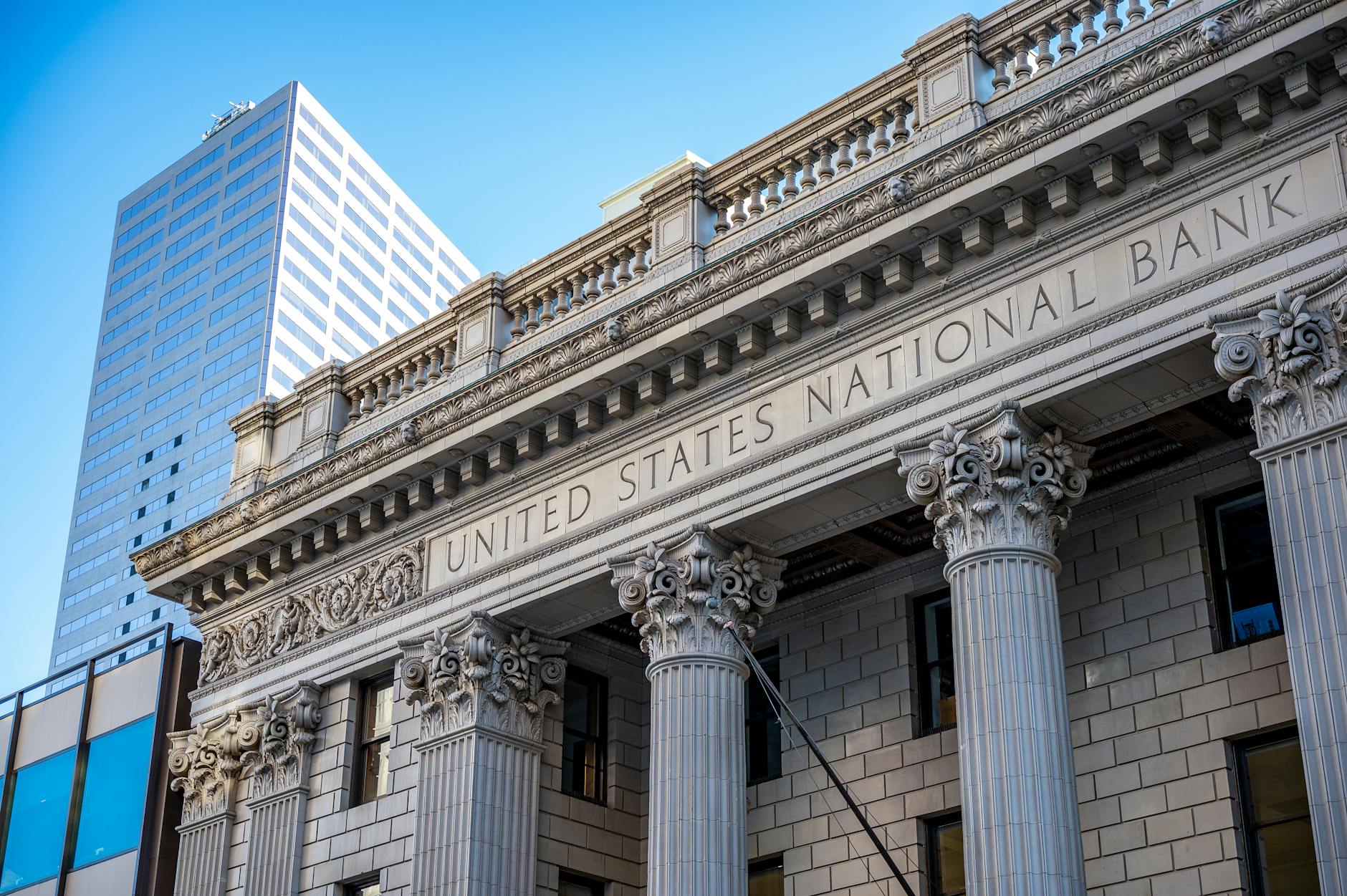
Photo by Brett Sayles
The figures below reflect the latest available reporting referenced in the provided data (Q3 2025 where noted). For several banks outside the “big four,” the most specific numbers available are from mid-2025 snapshots, so I treat those as close-in reference points and keep the takeaways practical.
- JPMorgan Chase & Co. (about $4.560 trillion)
JPMorgan is the largest U.S. bank by assets in the latest Q3 2025 figures. It’s known for broad consumer banking and a major investment bank. If you want a one-stop shop with a deep product menu, this is the model. - Bank of America Corp. (about $3.4 trillion)
Bank of America sits firmly in the top tier, with assets around the mid-$3 trillion range in the Q3 2025 context. It’s best known for nationwide consumer banking and a large wealth business. For everyday banking, the practical advantage is scale, lots of locations, and many account options. - Citigroup Inc. (about $2.0 trillion)
Citi’s total assets are around the $2 trillion mark in the Q3 2025 context. It’s widely associated with global banking and credit cards, with a footprint that leans more international than many peers. If you care about card ecosystems and global capabilities, Citi often comes up for a reason. - Wells Fargo & Co. (about $2.0 trillion)
Wells Fargo is also around $2 trillion in the Q3 2025 context, with later 2025 figures showing continued growth. It’s best known for U.S. consumer banking and lending, especially mortgages. The everyday takeaway is straightforward: if branches matter to you, Wells is built around that pattern. - U.S. Bancorp (about $663.6 billion)
U.S. Bank is a major regional-to-national player by asset size. It’s known for consumer banking and a strong business banking presence in many markets. If you want a large bank feel without the absolute mega-bank scale, it can sit in a comfortable middle. - Capital One Financial Corp. (about $648.4 billion)
Capital One is large, but many people know it first for credit cards, and then for its growing consumer bank. The practical angle is that it often appeals to online-first users who still want a recognizable U.S. institution. If you manage most banking from your phone, Capital One tends to be part of that short list. - PNC Financial Services Group (about $550 billion)
PNC is a big bank with a strong regional base and a meaningful national presence. It’s known for consumer banking, business banking, and treasury services. If you want solid everyday banking plus business features, PNC often fits that “household plus small business” profile. - Truist Financial Corp. (about $535.5 billion)
Truist is a large regional bank created through a major merger, and it remains prominent across the Southeast and Mid-Atlantic. It’s best known for consumer banking and small business relationships. If you live in its core footprint, Truist can feel more local than the biggest national brands. - Goldman Sachs Bank USA (about $523.6 billion)
Goldman’s bank is large by assets, but the brand is still primarily tied to institutional finance and wealth activities. While it has consumer-facing efforts, most people will encounter Goldman indirectly (markets, corporate finance, custody-like functions). The takeaway is simple: it’s huge, but it may not be your daily checking account bank. - TD Bank, N.A. (about $356.4 billion)
TD Bank is a major U.S. retail bank, especially on the East Coast, and it rounds out this size-based top group in the provided figures. It’s best known for branch banking in dense metro areas. If you like in-person service and you live where TD is common, it can be a practical choice.
What each bank is best for (quick, plain-English takeaways)
- JPMorgan Chase: Broad national coverage, strong all-in-one banking.
- Bank of America: Big branch network, many standard consumer products.
- Citi: Card-focused users and people with global banking needs.
- Wells Fargo: Branch-heavy banking and mainstream lending needs.
- U.S. Bank: Balanced option for households and many small businesses.
- Capital One: Online-first users who still want a large U.S. bank.
- PNC: Strong mix of consumer banking and business banking tools.
- Truist: Good fit in its regional footprint, relationship-style banking.
- Goldman Sachs Bank USA: Mostly institutional and wealth-linked services.
- TD Bank: East Coast branch banking, in-person convenience in key cities.
How I’d choose a bank from this list if I were opening an account today
When I pick a bank, I start with the unglamorous details, because they shape my day-to-day experience more than asset size ever will. First, I check monthly fees and how easy they are to avoid. Then I compare interest rates on savings and money market accounts, since small differences add up over a year.
Next is access: I look at branch and ATM reach where I live and work. After that, I test the mobile app, because I don’t want basic tasks to feel like paperwork. I also pay attention to customer service, including how problems get handled when something goes wrong.
Finally, I review credit cards and loans (especially if I might need a mortgage or an auto loan), and I confirm FDIC insurance basics for deposit accounts. “Largest” can signal stability and breadth, but it doesn’t guarantee a good fit. Online-first users may lean toward banks known for strong digital tools (Capital One is a common example), while branch-heavy users often prefer Chase, Bank of America, Wells Fargo, PNC, or Truist. For additional context on how consumer sites frame size and availability, I sometimes compare notes with lists like NerdWallet’s largest banks in the U.S..
A quick note on rankings that look different (domestic assets vs total assets)
Some rankings use domestic deposits or domestic assets rather than total consolidated assets, and that can change who appears in the top 10. It’s one reason a bank like TD Bank may show up more often on domestic-focused lists, while custody and institutional firms can shift depending on the metric. If you want to verify holding-company totals by quarter, the FFIEC’s Large Holding Companies database is a useful reference point.
Conclusion
This list of the top 10 banks in America is mainly a snapshot of financial scale, not a verdict on where you should bank. The largest institutions tend to offer broad products and wide reach, but your best choice depends on how you manage money, online, in person, or both. My next step would be simple: compare monthly fees, ATM access near you, and recent app reviews, then open the account that fits your routine. A bank should feel like reliable infrastructure, not a recurring hassle.
